

Bakoulev Scientific Center for Cardiovascular Surgery
1/ 5
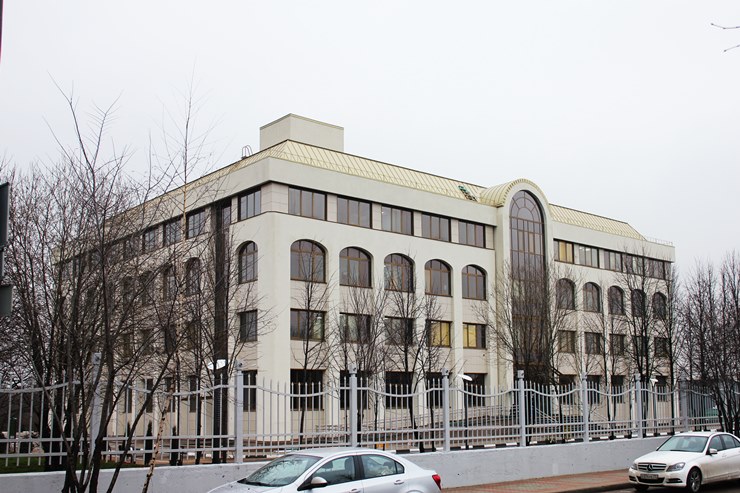
Bakoulev Scientific Center for Cardiovascular Surgery is one of Russia's largest specialized medical complexes, located on Rublevskoe Highway in Moscow. The center combines clinical, research, diagnostic and rehabilitation functions and forms a large medical ensemble with several buildings of various purposes.
The architecture of the complex is governed first and foremost by the functional logic of a medical institution. Large volumes, regular rhythm of windows and extensive facade planes create a calm and composed appearance characteristic of scientific and clinical architecture.
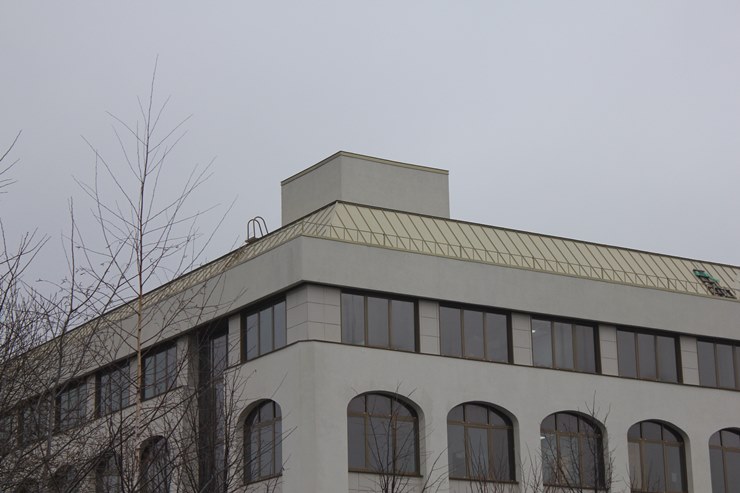
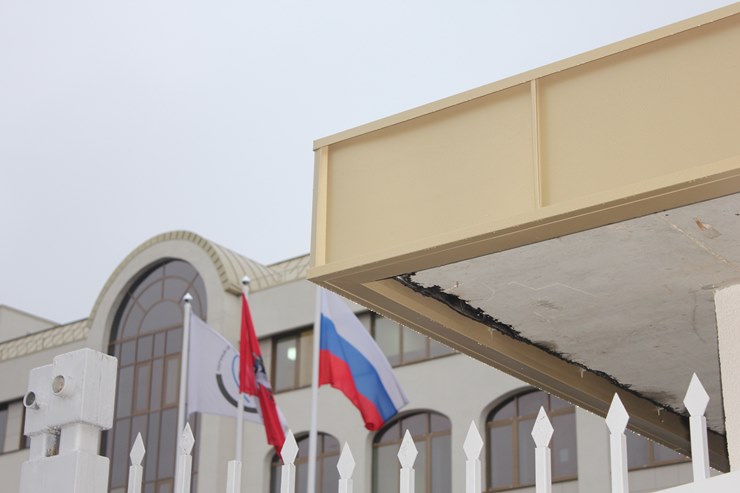
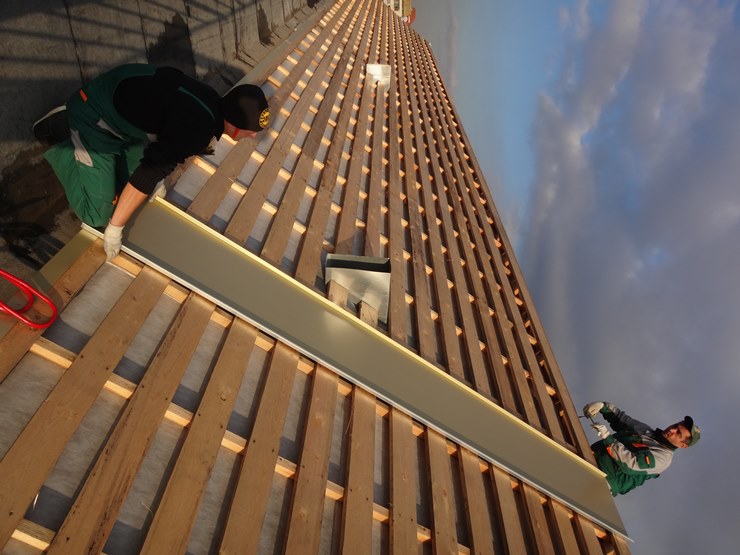
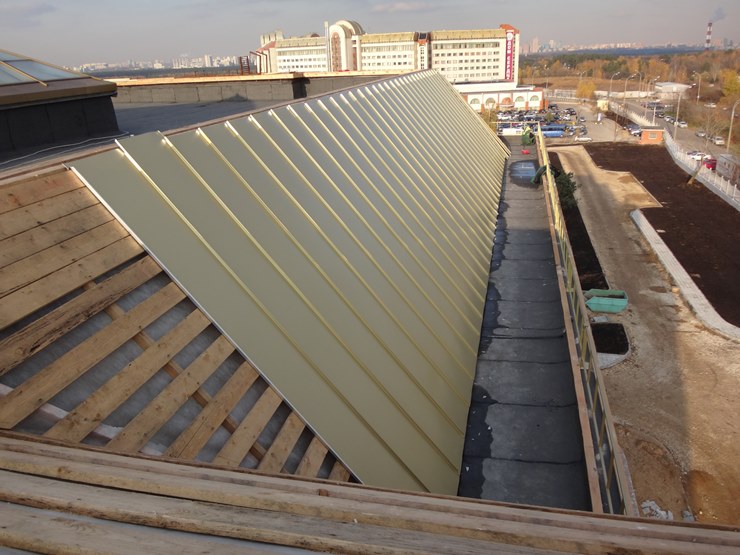
Metal facade elements play an important role in the design of the buildings, used together with glazing and mineral surfaces. Metal helps structure large volumes, emphasize horizontal and vertical divisions and make facades visually lighter.
Metal surfaces are especially expressive on extended facade sections and in the framing of transparent structures. Through even geometry and the material's reaction to natural light, the architecture gains additional depth while remaining restrained and functional.
In medical architecture, the material should not draw attention to itself, so metal here works first and foremost as part of the building's overall system. It maintains the precision of facade geometry, combines with glass and helps create a contemporary high-tech image of the scientific center.
As a result, the complex is perceived as a large but sufficiently cohesive medical ensemble, where functionality, strict geometry and contemporary facade materials are united in a calm architectural composition.
Project type
Medical facilities
Material
Pre-painted aluminium (S.Con)
Property location
Moscow
Other projects


Order a sample
