

Patinated copper sheets S.Copper
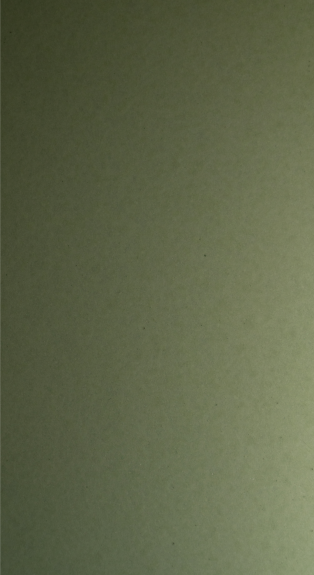
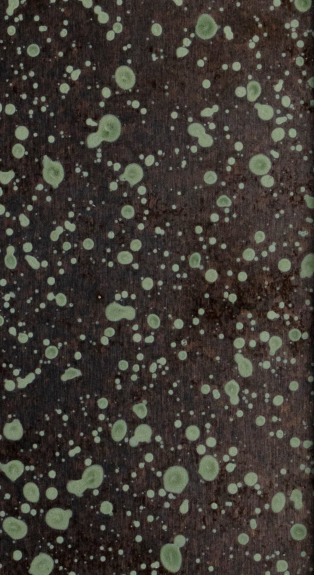
Artificially created patina, reproducing the color and texture of natural oxidation. The process includes treating pre-oxidized copper with special copper-containing compounds followed by heat-setting. This allows obtaining various shades and degrees of translucency of the oxide layer.
Green range NG:
NGT – classic green
NGL1, NGL2 – variants with partial transparency of the base ("living" patina)
NT – turquoise shade
Patina Green Brown – transitional patina variant from green to brown shade
Blue range NB:
NBT – classic blue
NBL1, NBL2, NBL3 – three gradations of "living" patina with different intensities
Features of patinated copper sheets: Ability to select patina intensity, including per individual architect's requirements for precise correspondence to historical samples or author's design. Material is supplied in sheets and coils with one-sided treatment, allowing use of large-length elements without joints.




What is a patinated copper sheet
A patinated copper sheet is a copper sheet whose surface has been artificially "aged" at the factory. Using chemical reagents, a stable layer of copper carbonate or copper sulfate is created on the copper – the very green-blue or blue-green coating that appears under natural conditions after decades.
How patinated copper is produced
The process includes several stages. First, the copper sheet is cleaned and degreased. Then special chemical compounds are applied that trigger an oxidation reaction. After reaching the desired color, the reaction is stopped and the surface is secured with a protective layer (transparent lacquer or wax). All treatment happens under factory conditions, guaranteeing uniform color and shade stability across the entire sheet area.
Two main types of patina
| Patina type | Color | How it forms | Where preferable |
|---|---|---|---|
| Carbonate (classic) | Bright green, grass-like | In an atmosphere with low sulfur content | Historical buildings, temples, estates |
| Sulfate (noble) | Bluish-green, smoky | In industrial zones, near the sea | Contemporary architecture, urban facilities |
Manufacturers can reproduce both variants as well as intermediate shades from turquoise to dark olive.
Advantages of patinated copper sheet
Time savings
Natural copper patination is a lengthy process. In the first 1–2 years, copper darkens to a chocolate shade, then a greenish coating appears, and only after 10–15 years does it acquire a full-fledged green-blue color. Ready-made material gives the effect of "century-old aging" immediately after installation.
Color uniformity
Natural patina often settles unevenly: on the south side it's brighter, on the north side it's duller, under eaves it lasts longer. Artificial patina is applied uniformly across the entire surface, which is especially important for buildings with clear geometric forms.
Protection from corrosion
Patina is not just a beautiful coating, but a dense protective layer. It prevents further oxidation, protects the metal from destruction and gives copper exceptional durability (100+ years). Artificial patina performs the same functions.
Prestigious appearance
Buildings with patinated copper roofs or facades look expensive, prestigious and fit into both historical and contemporary environments. Patina is associated with V.I.P. architecture, serious investments and respect for traditions.
Where patinated copper sheets are used
Roofing
Patinated copper is a classic choice for complex roofs: domes, spires, turrets, dormer windows on responsible facilities. It doesn't rust, doesn't require painting and only improves its properties over the years.
Suitable for: temples, historical buildings, private houses, luxury cottages, town halls, railway stations.
Facades
Ventilated facades made of patinated copper is a luxurious solution for buildings that should look "with history" from day one. Sheets are mounted on a substructure, creating monumental, calm compositions.
Suitable for: museums, exhibition halls, company headquarters, embassies.
Decorative elements
Cornices, flashings, window surrounds, trim, entrance groups, decorative lamps are made from patinated sheets. These details unite architecture into a single whole and emphasize the prestige of the building.
Suitable for: any facility where an individual, unique style is required.
Restoration
When restoring architectural monuments, it is often necessary to precisely reproduce lost copper elements. Patinated sheets allow you not to wait for decades while they naturally age. The material immediately harmonizes with neighboring historical surfaces.
Suitable for: cultural heritage facilities.
Interiors
Patinated copper is used for wall cladding, fireplaces, bar counters, stair railings. It gives the interior a touch of antiquity and aristocracy without looking like a museum piece.
Suitable for: restaurants, hotel lobbies, conference halls, libraries.
How to choose a patinated copper sheet
Sheet thickness
| Thickness | Application |
|---|---|
| 0.5–0.6 mm | Standing seam roofing with purlin spacing up to 60 cm |
| 0.7–0.8 mm | Roofing in snowy regions, facade cassettes |
| 1.0–1.2 mm | Decorative elements, reinforced cornices, surrounds |
Sheet format
-
Standard sheets. 1000×2000 mm, 1250×2500 mm, 1500×3000 mm. Convenient for small facades and roofs.
-
Large-format sheets. Up to 1500×6000 mm. Minimum joints, perfect smoothness.
-
Coils. For standing seam roofing – up to 50 m length.
Patina type
-
Bright green (carbonate). Classic copper color. To emphasize traditions, for buildings in green areas.
-
Bluish-green (sulfate). More subdued, smoky shade. For contemporary architecture, urban facilities against sky and glass.
-
Custom shade (turquoise, olive, grey-green). For unique design projects.
Protective coating
-
Uncoated. Patina is fixed but not mechanically protected. Over time, can develop wear marks in high-traffic areas (on horizontal roof sections).
-
Lacquered. Clear lacquer protects patina from wear and ultraviolet. Recommended for roofs that will be walked on (antenna maintenance, snow removal), as well as for aggressive environments.
-
Waxed. Adds slight gloss and protects from fingerprints. Used for interiors.
Why buy a patinated copper sheet from the manufacturer
If you decide to buy a patinated copper sheet, working directly with the manufacturer provides several important advantages.
Manufacturer prices
Without distributor and construction hypermarket markups. Manufacturer prices on patinated copper per m² in Moscow are 20–30% lower than market prices.
Quality control
The manufacturer is responsible for source copper (purity, plasticity), for the chemical composition for patination and for the final coating. You receive material that will last 80–100 years.
Any size for your project
The manufacturer cuts sheets to your project dimensions. This minimizes waste (sometimes down to 5% versus 15–20% when buying standard sheets).
Shade stability
When ordering one batch, you receive sheets with identical color across the entire area. No risk of a "patchy" roof due to batch differences at distributor locations.
Delivery throughout Russia
We ship products to any region of the RF via verified transport companies. Delivery to a Moscow terminal is often free.
Manufacturer prices on patinated copper per m² in Moscow
Approximate manufacturer prices on patinated copper per m² in Moscow (order from 100 m², classic green patina):
| Thickness | Without protective coating | With protective lacquer |
|---|---|---|
| 0.5 mm | from 3,300 ₽ | from 3,800 ₽ |
| 0.6 mm | from 3,800 ₽ | from 4,300 ₽ |
| 0.7 mm | from 4,300 ₽ | from 4,800 ₽ |
| 0.8 mm | from 4,800 ₽ | from 5,300 ₽ |
| 1.0 mm | from 5,800 ₽ | from 6,400 ₽ |
Prices are approximate. Exact cost is calculated at current copper rate and order volume.
For large projects (from 500 m²), discounts up to 10–15% are possible. Bluish-green (sulfate) patina often costs the same as classic. Non-standard shades (turquoise, olive) are 10–20% more expensive.
Frequently asked questions
1. Does artificial patina peel off over time?
Chemically bonded factory patina is as durable as natural patina. It doesn't flake or wash away in the rain. Protective lacquer or wax extend service life and prevent mechanical damage. On horizontal surfaces without coating, wear marks can appear over time in high-traffic areas (lacquered sheets are recommended).
2. Can a patinated sheet be bent and cut without damaging the patina?
Yes, copper is plastic. Patina withstands bending on standard sheet-bending machines at a radius of no less than 5–10 sheet thicknesses. It is important to use equipment with soft rollers. When cutting with disc shears, edges remain rose-golden – they should be hidden or treated with a special compound.
3. What is cheaper – patinated copper or artificial aging on-site?
Patinated copper is 30–50% more expensive than regular copper. However, you save 10–15 years of waiting and eliminate the risk of uneven patchy coloring. If budget permits, the extra cost is justified for prestigious buildings.
4. How to care for a patinated copper facade?
Care is minimal – rain washes away dust. With heavy soiling (after construction work) – soft cloth, water and neutral soap. Do not use abrasives, acids, alkalis and metal brushes. Lacquered patina cannot be cleaned with solvents.
5. What is the service life of a patinated copper sheet?
Copper lasts 80–100 years. Patina under normal conditions lasts 50–80 years. Lacquer – 10–20 years (requires renewal on horizontal used roofs). Thus, a roof made of patinated copper will last at least 50–70 years without repair.
Material for those who value beauty
Patinated copper sheet is material for those who value beauty, prestige and durability. It allows you to obtain a noble green-blue color immediately, without decades of waiting. Ideal for roofing, facades, restoration and decorative elements.
If you want to buy a patinated copper sheet for roofing and wall cladding, facades from the manufacturer, contact Cladding Solutions. You will receive quality material with uniform color, any thickness and format, at manufacturer prices on patinated copper per m² in Moscow. Delivery throughout Russia. Make your project unique from day one