

Copper Coil S.Copper
Copper rolled products are actively used in the construction segment for roofing, building facades, and are also used as a decorative material in interior spaces.
The S.Copper line is manufactured only from high-purity electrochemically refined copper 99.9%
Because of this, aging in the natural environment will be uniform on each manufactured panel.
During artificial aging of copper, during grinding there will be no stains, and the sheets will be perfectly flat, without waves.
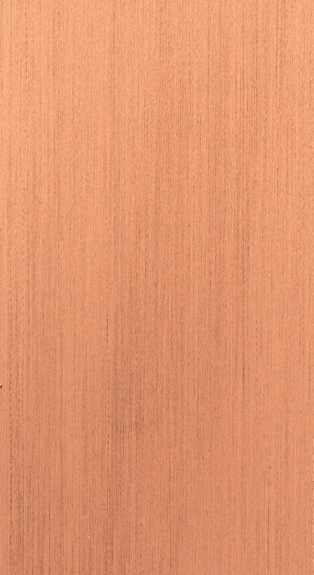
The surface of the sheet/coil is perfectly clean, without traces of mill marks, without traces of unburned oil spots, has a bright copper color, and is glossy.
Copper coil is an in-demand rolled product in the construction sector, meeting strict industry standards. In terms of operational characteristics, copper is one of the best modern architectural materials, so the finished product is designed for long-term use. It has verified dimensions, a large safety margin, and good resistance to negative environmental factors. The product is easy to process, flexible and malleable.




Why copper coil is the ideal material for roofing and facades
Copper coil is not just a narrow sheet. It is a technological material that combines the highest level of aesthetics and engineering reliability.
Durability without compromise
The service life of a copper roof or facade is measured in decades. The first generation of owners may not live to see replacement – copper is so resistant to corrosion, temperature fluctuations and ultraviolet radiation. With proper installation, copper lasts 80–100 years and more.
Unique aesthetics
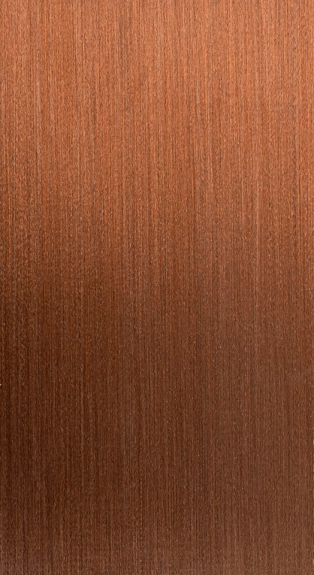
Copper is the only material that "lives" and changes color. First it shines with a pinkish-gold gleam, then darkens to a chocolate shade, and after 10–15 years it becomes covered with noble green-blue patina. This process can be controlled by choosing the right type of finish.
Flexibility and malleability
Copper coil bends easily, cuts and takes any shape. This allows you to create complex architectural elements: domes, spires, bays, and also use the material for standing seam roofing of any configuration.
Environmental friendliness
Copper is a natural material that does not emit toxins and is completely recyclable without loss of quality. This is an important argument for projects with high sustainability requirements.
What types of copper coil can you buy from the manufacturer
Depending on the finish, copper coil comes in several types. Each has its own characteristics and field of application.
Glossy copper coil
Glossy copper is a mirror-bright surface of a pinkish-gold shade. The coil is polished to a high level of cleanliness.
Where it is used:
-
Roofs and facades where you want to achieve maximum shine in the first years.
-
Decorative elements (gutters, downspouts, cornices, moldings).
-
Interiors in loft, art deco, hi-tech styles.
Features: fingerprints and water drops are visible on the glossy surface. Over time, the shine fades and the coil begins to darken naturally.
Matte copper coil
Matte copper is obtained by sandblasting or acid etching. The surface becomes rough, does not glare, color – muted pinkish-gold.
Where it is used:
-
Roofs and facades in modern architecture (minimalism, contemporary).
-
Buildings where aggressive shine is not needed.
-
Elements that will patinate naturally over time.
Features: matte surface is less prone to marking, scratches are almost invisible on it.
Patinated copper coil
Patination is artificial acceleration of the aging process. The coil is treated with special compounds that create a stable green-blue coating on the surface – the very noble patina.
Where it is used:
-
Roofs of historical buildings during restoration.
-
Facades that should look "solid" from day one.
-
Objects in neo-classical and art nouveau styles.
Features: patinated copper does not change color over time. It is more expensive than untreated, but saves years of waiting for natural aging.
Comparison of copper coil types
| Type of finish | Color on start | Color change over time | Maintenance difficulty | Cost |
|---|---|---|---|---|
| Glossy | Pinkish-gold, mirror-bright | Darkens to chocolate, then patinates | High | Average |
| Matte | Muted pinkish-gold | Darkens to chocolate, then patinates | Low | Average |
| Patinated | Green-blue (ready patina) | Remains stable | Low | High |
Where copper coil is used for roofing and building facade cladding
Standing seam roofing
The most popular way to use copper coil is standing seam. Coils are connected to each other by a lock without through holes, which ensures absolute sealing. Such a roof does not leak for decades and does not require repair.
Suitable for: sloped roofs of any complexity, domes, spires, towers.
Facade systems
Copper coil is used in ventilated facades. It is installed on a substructure vertically, horizontally or diagonally, creating various patterns. Thanks to the malleability of copper, you can even clad curved facades.
Suitable for: office centers, private mansions, museums, exhibition halls.
Decorative elements
Copper coil is used to make downspouts, sill flashing, cornices, trim, moldings. These details give a building a finished, expensive look and emphasize the owner's status.
Suitable for: any buildings where facade detailing is important.
Restoration of historic buildings
When restoring architectural monuments, it is often necessary to exactly reproduce the original copper elements. Patinated coil allows you to immediately get an "aged" look that harmonizes with the historical appearance.
Suitable for: cultural heritage objects, old mansions, temples.
Why it is beneficial to buy copper coil from the manufacturer – Cladding Solutions
If you have decided to buy copper coil gloss, matte and patinated for roofing and building facade cladding, working directly with the manufacturer provides several important advantages.
Prices from the manufacturer
No intermediaries – no markups. Purchasing from manufacturer Cladding Solutions costs 15–30% less than in retail stores. This is especially noticeable with large volumes.
Quality control
The manufacturer is responsible for every stage: from raw material selection to finish. You receive coil of precise geometry, without scratches, streaks and defects.
Any thickness and width
Unlike warehouses that sell coil of standard sizes, the manufacturer can produce material for your project. This minimizes waste and saves budget.
Delivery throughout Russia
Manufacturer Cladding Solutions ships products to any region of the Russian Federation – through verified transport companies. Delivery to a Moscow terminal is often free.
Technical support
The manufacturer will advise you on the choice of thickness, type of finish, installation method. And if necessary – will provide recommendations for caring for the copper surface.
How to calculate the required amount of copper coil
To correctly calculate the order volume, you need to know the area of the roof or facade, as well as the coil width. Standard parameters for copper coil:
-
Thickness: from 0.5 mm to 1.0 mm (for roofing, 0.6–0.8 mm is more often used, for facades – 0.5–0.7 mm).
-
Coil width: from 300 mm to 1250 mm.
-
Length in coil: from 10 to 30 meters.
Calculation formula: coverage area (m²) divided by coil width (m) and multiplied by overlap coefficient (1.1–1.15). For complex shapes with many bends, the coefficient is increased to 1.2–1.3.
Frequently asked questions
1. What is better: glossy, matte or patinated copper?
It depends on the task. Gloss – for an impressive start, matte – for modern architecture, patinated – for historic buildings and those who do not want to wait for natural aging.
2. How do you care for copper coil on a facade?
Copper does not require special care. Rain washes away dust by itself. If cleaning is needed (for example, on a glossy surface), use a soft cloth and soapy water. No abrasives or acids.
3. Does copper oxidize on the roof?
Oxidation (patination) is a natural process that protects copper from further corrosion. This is not a defect, but an advantage. Patina is armor.
4. How much does copper coil cost per m²?
Price depends on thickness, width, type of finish and order volume. On average in the market: glossy and matte – from 2500 to 4500 ₽/m², patinated – from 4000 to 7000 ₽/m². Check the exact cost with the manufacturer for your project.
5. What thickness to choose for roofing?
For sloped roofs with sheathing spacing up to 80 cm – 0.6 mm. For larger spacing or complex shapes (domes, spires) – 0.8 mm. For facades, thickness of 0.5–0.6 mm is acceptable.
Implement any architectural concept
Copper coil is a material that combines beauty, durability and prestige. The right choice of finish type (gloss, matte or patina) allows you to implement any architectural concept – from a classic estate to an ultra-modern business center.
If you want to buy copper coil gloss, matte and patinated for roofing and building facade cladding, contact the manufacturer directly – Cladding Solutions. You will receive quality material with a guarantee, precise dimensions, fair price and delivery throughout Russia. Make your project not just reliable, but truly noble.