

Brass coil S.Brass




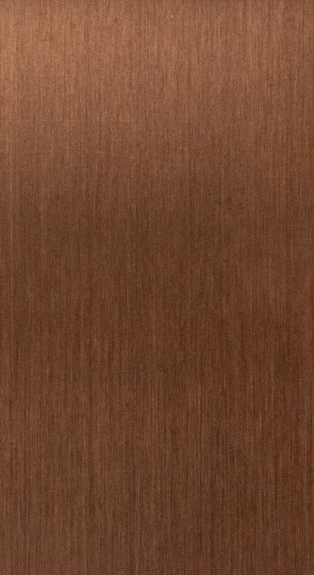


What is brass coil
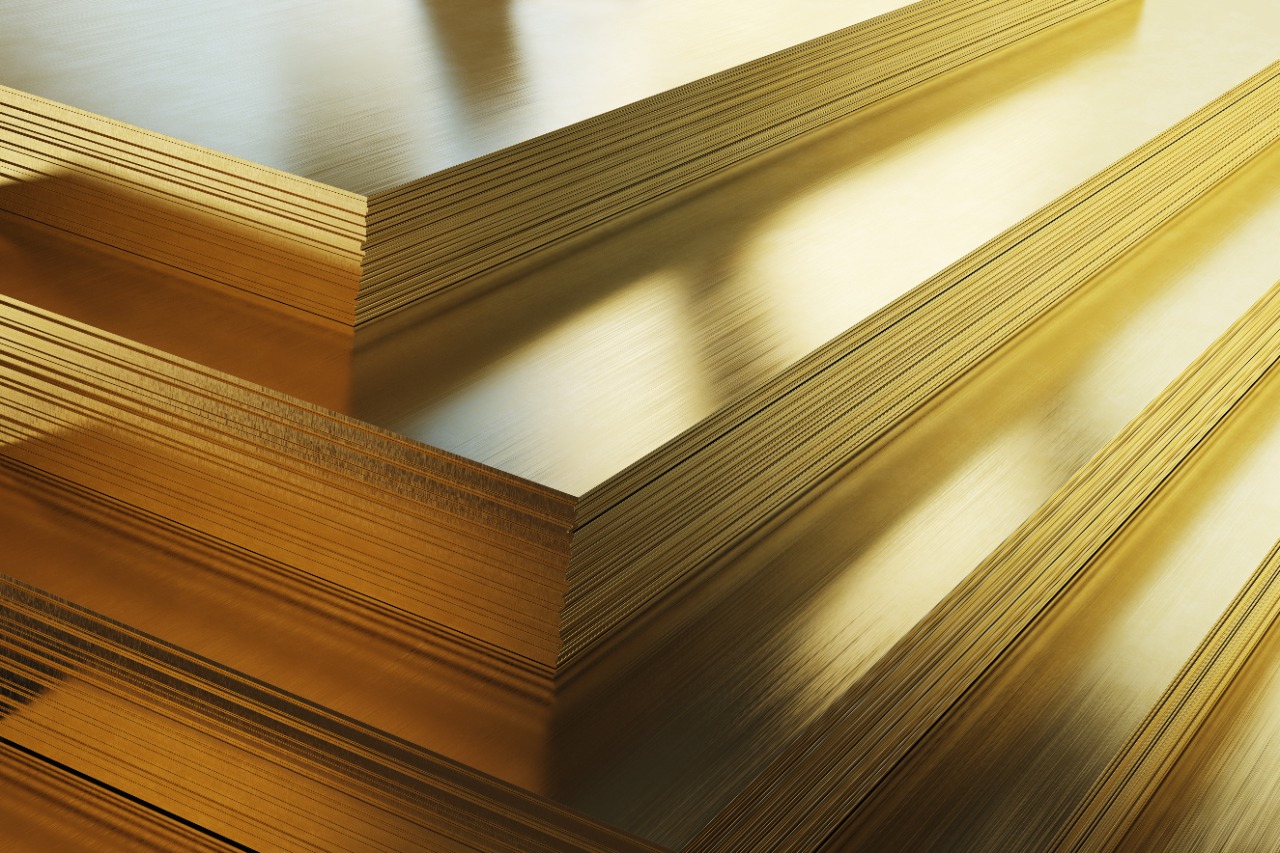
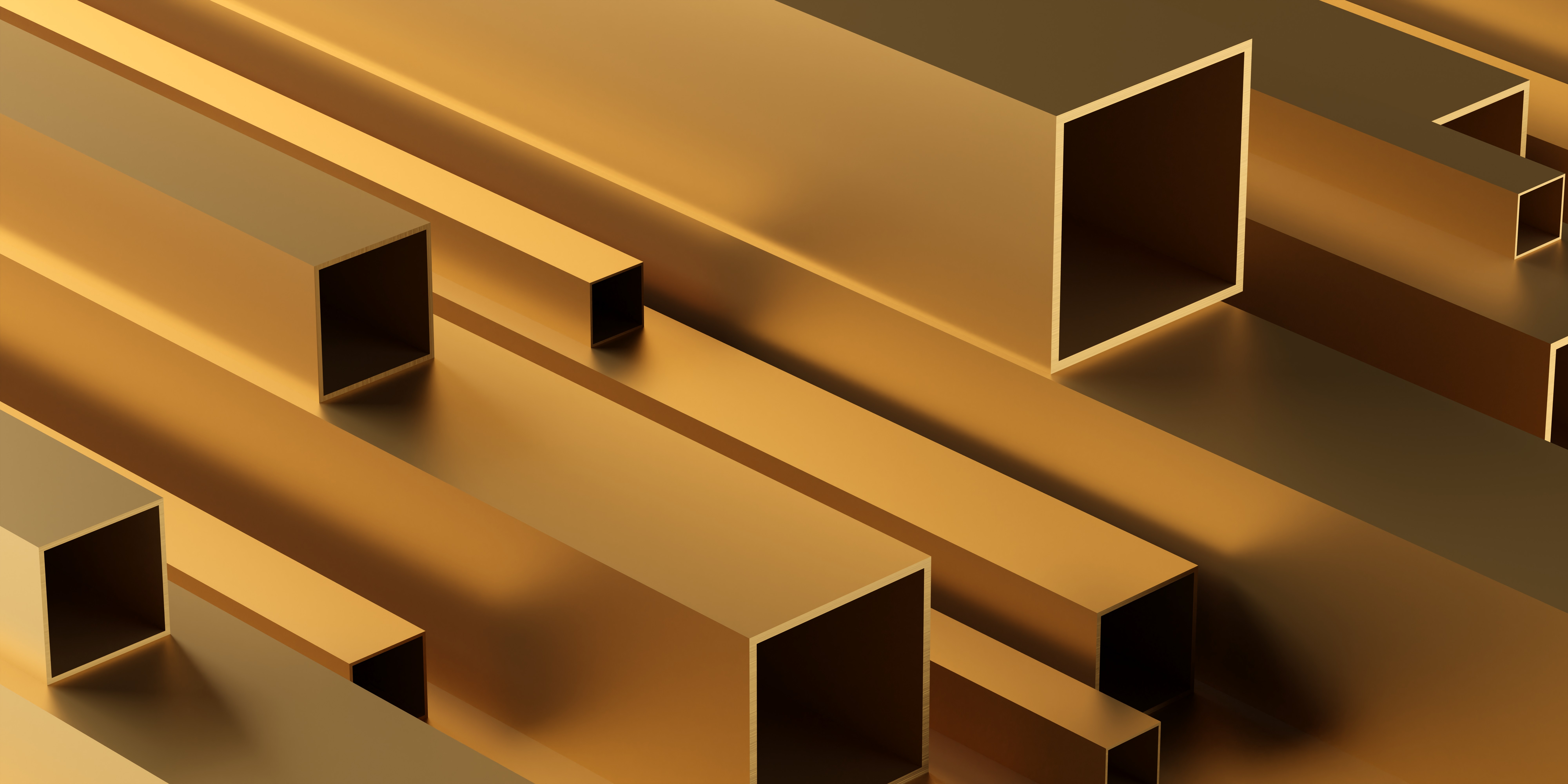
Brass is an alloy of copper (base) and zinc (from 5% to 45%). Depending on the percentage of zinc, the color of brass varies from reddish-golden to light yellow, almost lemon. Brass coil is produced by cold rolling, which ensures high thickness accuracy and clean surface.
Main brass grades for architectural purposes
| Grade | Color | Zinc content | Plasticity | Corrosion resistance | Application |
|---|---|---|---|---|---|
| L63 | Yellow-golden | Approx. 35–37% | High | Good | Facades, roofing, decoration |
| L68 | Light golden | Approx. 32–35% | Very high | Good | Complex curved shapes |
| L80 (tombac) | Reddish-golden | Up to 20% | Excellent | Excellent | Premium projects, historical restoration |
For exterior application, grades L63 and L68 are optimal. They are corrosion-resistant, do not crack during bending, and retain color for decades.
Advantages of brass coil for building cladding
Premium-level aesthetics
Brass is associated with luxury, expensive watches, shipbuilding, and jewelry. On a facade or in an interior, it creates a sense of warmth, light, and solidity.
Durability and corrosion resistance
Brass does not rust like steel and does not oxidize to green patina like copper. Over time, it only slightly dulls, acquiring a noble matte shade. When in contact with air, a protective oxide film forms on brass, preventing further deterioration.
Lightness and plasticity
Brass is denser than aluminum but lighter than steel. It is plastic. It can be bent, stamped, chased, made into curved facades and complex decorative elements without the risk of cracks.
Antibacterial properties
Brass, like copper, has natural antibacterial properties. This is valuable for finishing in places with high contact levels (handles, railings, panels in public buildings).
Types of brass coil by processing type
Gloss (polished)
Mirror-bright surface with golden tint. Used for accent elements where striking shine is needed.
Applications: luxury facade elements, entrance groups, designer interiors, receptions, elevator cabs.
Matte (ground)
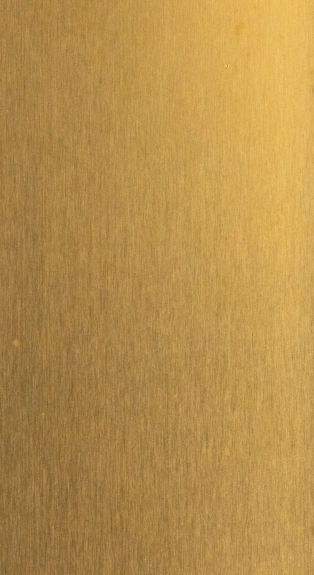
Uniform rough surface without gloss. The color looks softer and more refined.
Applications: ventilated facades, column cladding, conference room panels.
Patinated
Artificially aged brass with dark spots and greenish coating. Imitates antique.
Applications: steampunk-style restaurants, loft, historical reconstructions, expensive private houses.
Under protective lacquer
Transparent coating fixes color and prevents dulling. Recommended for facades in aggressive environments (industrial zones, seacoast).
Where brass coil is used
Ventilated facades
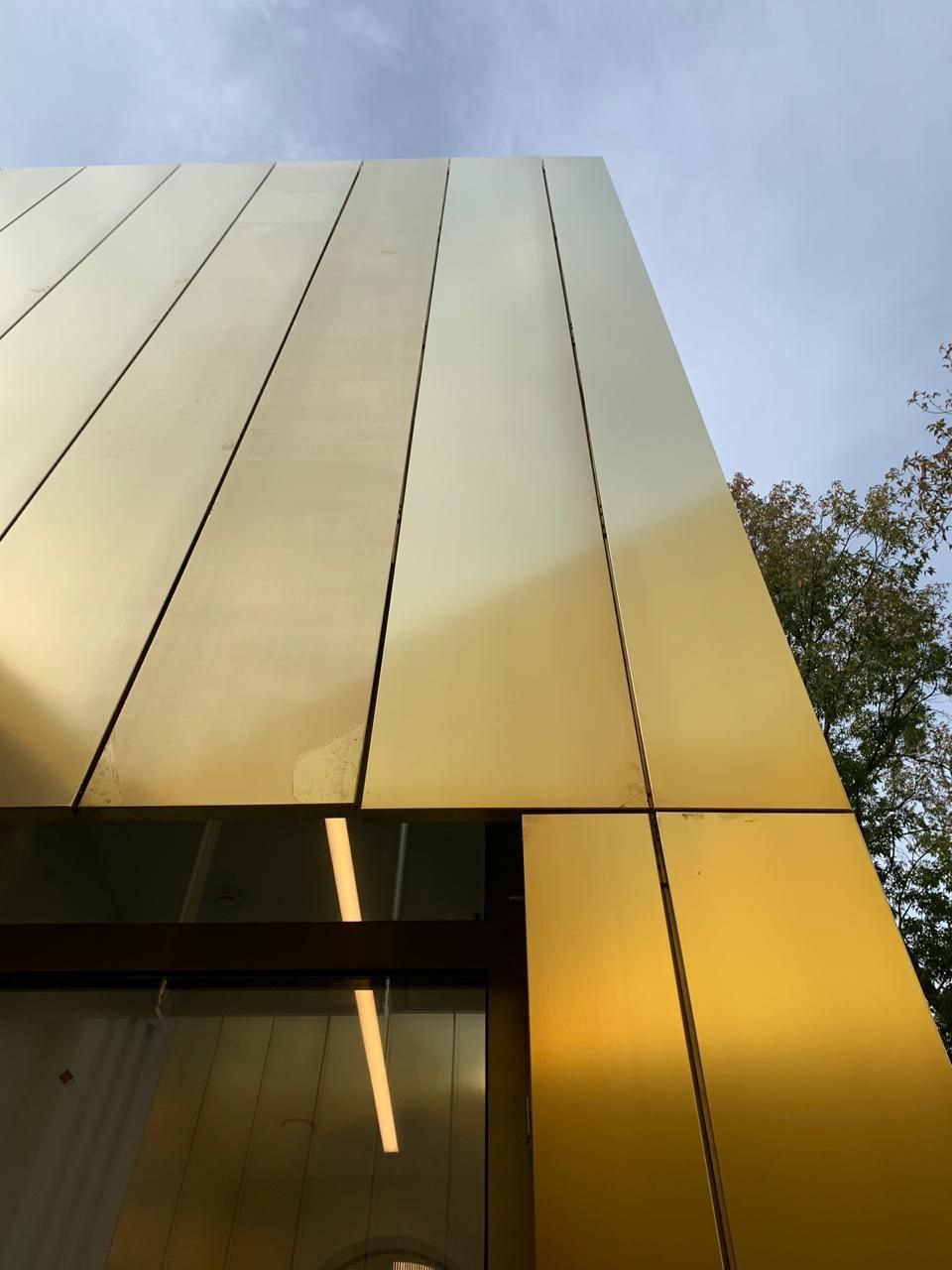
Brass panels are mounted on a substructure with an air gap. The combination of golden metal with glass, stone, or wood creates striking contrasts.
Suitable for: premium office buildings, boutiques, exhibition halls.
Roofing and domes
Brass standing seam roofing is expensive but exceptionally durable. Over time, it acquires a noble matte shade and lasts 80–100 years.
Suitable for: temples, private mansions, historic buildings.
Decorative elements
Cornices, flashings, window and door frames, downspouts, awnings, casings — even small details made of brass become works of art.
Suitable for: any projects where individuality matters.
Interiors
-
Panels for walls and columns.
-
Bar counters and kitchen backsplashes.
-
Elevator and reception cladding.
-
Stair railings, handrails, door handles.
-
Decorative inserts in furniture.
Restoration
When restoring architectural monuments, it is often necessary to precisely reproduce lost brass details. Coil provides a quick way to fabricate elements of any complexity.
Why buy brass coil from a manufacturer
If you have decided to buy brass coil for a responsible architectural project, working directly with the manufacturer offers several important advantages.
Manufacturer prices
Without distributor and retail markups. Manufacturer prices for brass coil per m² in Moscow are 20–30% below market rates.
Metal quality control
The manufacturer is responsible for chemical composition (percentage of copper and zinc), coil thickness, surface quality, and finish coating.
Any coil width for your project
You can order tape of any width — from 10 mm to 1000 mm. This minimizes waste and speeds up installation.
Color stability
Within one batch, the brass shade is uniform throughout the entire coil length. No risk of color variations between different sections.
Delivery throughout Russia
We ship products to any region of the Russian Federation through trusted transport companies. Delivery to a Moscow terminal is often free.
Manufacturer prices for brass coil per m² in Moscow
Approximate manufacturer prices for brass coil per m² in Moscow (order from 100 m², thickness 0.5 mm, grade L63, matte surface):
| Coil width | Price per m² (uncoated) | Price per m² (with protective lacquer) |
|---|---|---|
| 300 mm | from ₽2,200 | from ₽2,500 |
| 500 mm | from ₽2,100 | from ₽2,400 |
| 600 mm | from ₽2,000 | from ₽2,300 |
| 800 mm | from ₽1,950 | from ₽2,250 |
| 1000 mm | from ₽1,900 | from ₽2,200 |
Prices are approximate. Exact cost is calculated based on the current rate for non-ferrous metals and order volume.
For large projects (from 1000 m²), discounts up to 10–15% are possible. Gloss brass costs the same as matte. Patinated brass is 20–30% more expensive. Grade L80 (tombac) is 15–25% more expensive.
Frequently asked questions
1. Does brass dull on a facade over time?
Brass does not rust, but under exposure to air and moisture, a natural oxide layer forms on it. Over time, gloss brass dulls to matte, and the light shade becomes warmer and deeper. If you want to preserve the original shine, choose coil with protective lacquer.
2. Can brass coil be used for roofing?
Yes. Brass standing seam roofing is a classic solution. It is durable (more than 80 years), requires no painting, and the color becomes only more noble over time. It is important to use sufficiently thick coil (from 0.6 mm) and qualified craftsmen.
3. What is the difference between brass and tombac?
Tombac (grade L80) is a type of brass with high copper content (80%) and low zinc content (20%). It is redder, more plastic, and more corrosion-resistant, but also more expensive. Tombac is used for premium projects, restoration, and in interiors with aggressive environments (for example, pools).
4. How to care for a brass facade?
Maintenance is minimal. Rain washes away dust. For heavy soiling, use a soft cloth, water, and neutral detergent. Do not use abrasives, acids, or metal brushes. For lacquered surfaces, use only soft cloths without solvents.
5. What is the service life of brass coil?
With proper installation and moderate climate — 50–80 years. In aggressive environments (industrial zones, seacoast) — 30–50 years. Protective lacquer extends service life and preserves color, but requires renewal every 10–15 years (for horizontal surfaces).
Minimizes joints, speeds up installation
Brass in coil form is an elite material for facades, roofing, decoration, and interiors. It combines the beauty of golden metal with durability and plasticity. The coil format minimizes joints, speeds up installation, and reduces waste.
If you want to buy brass coil for finishing and architectural applications of buildings and facades from a manufacturer, contact Cladding Solutions. You will get quality material with uniform color, any width and thickness, at manufacturer prices for brass coil per m² in Moscow. Delivery throughout Russia. Make your project unique and long-lasting.