
Corrugated curved (radius) panels S.Panels WAVE
These are not simply flat metal sheets, but volumetric elements that are given a specified curvature during the manufacturing process. The result is a rigid yet lightweight panel with a characteristic "wave-like" surface texture, capable of working on both vertical and curved facade sections.

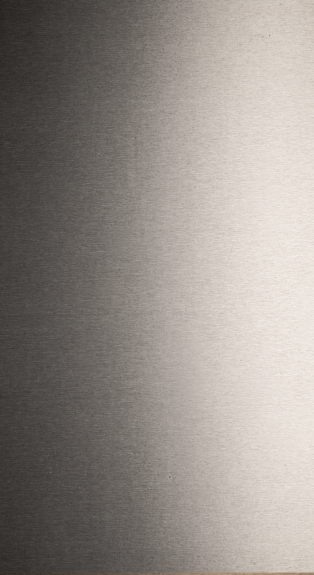
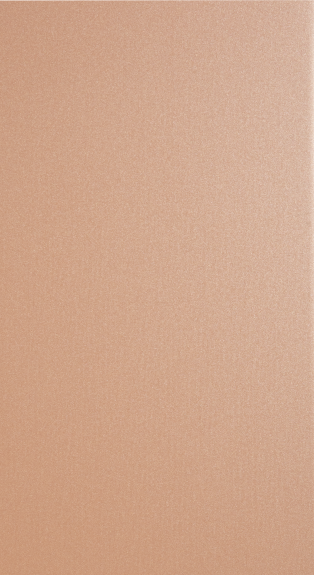
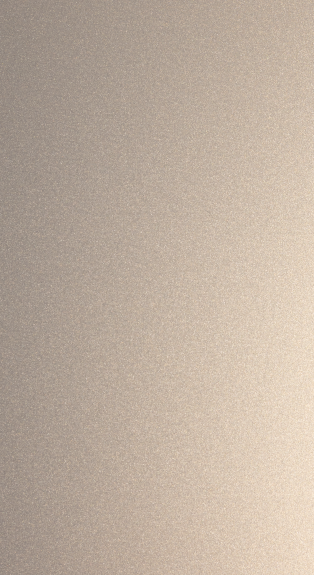


The panels allow you to avoid a "box" effect, smoothly wrapping around building corners, columns, or bay windows, forming streamlined, contemporary forms.


• Metal thickness: 0.7–1.5 mm. Thickness selection depends on regional wind load and required structural rigidity.
• Accent elements in residential complexes and business centres: entrance groups, bay windows, glazing, colonnades.
• In private architecture — for creating unique homes with smooth lines.
• Cladding of columns and niches inside buildings.
• Creation of decorative partitions and art objects.


What are corrugated curved panels
Corrugated curved panels are metal sheets (usually steel, aluminium or copper) that are given a wavy shape (corrugation) and simultaneously curved geometry (radius) using specialized equipment. Unlike flat sheets, radius panels allow you to create curved surfaces without cutting and welding.
How corrugated curved panels are manufactured
The process includes several stages:
-
Rolled metal (steel, aluminium, copper) is fed to a profile bending machine.
-
The machine forms longitudinal waves (corrugations) of specified height and pitch.
-
The sheet is then passed through rollers that bend it according to a specified radius (both along and across the waves).
-
When necessary, a polymer coating (polyester, PVDF) is applied.
The result is a panel that combines the rigidity of a corrugated sheet and the flexibility to create curved forms.
Key advantages
-
Architectural expressiveness. Smooth facade and roof lines give the building dynamics and a contemporary look.
-
High rigidity. Corrugation makes the panel strong even at minimal metal thickness.
-
Lightweight. Despite its rigidity, panels remain lightweight, reducing the load on load-bearing structures.
-
Quick installation. Large panels cover large areas without numerous joints.
-
Durability. Galvanised steel, aluminium or copper with protective coating last 30–100 years.
Types of corrugated curved panels and their applications
Roof curved panels
Used to create arched, domed and wave-like roofs. Wave width - from 100 to 300 mm, corrugation height - from 20 to 100 mm. Bend radius - from 1 meter and more.
Suitable for: shopping centres, sports facilities (velodromes, swimming pools), hangars, private homes with non-standard architecture.
Facade curved panels
Used for cladding curved facades, columns, bay windows, entrance groups. The wave can be vertical, horizontal or diagonal.
Suitable for: business centres, exhibition halls, cinemas, hotels, residential complexes.
Interior wall curved panels
Used for interior wall finishing in large-span spaces: airports, terminals, concert halls.
Suitable for: lobbies, corridors, reception areas.
Comparison of materials for corrugated curved panels
| Material | Service life | Weight | Price | Aesthetics | Recommendation |
|---|---|---|---|---|---|
| Galvanised steel with coating | 30–50 years | Heavy | Low | Any RAL colour | Budget option for roofing and facades |
| Aluminium | 40–60 years | Lightweight | Medium | Silvery, can be painted | Universal choice, especially for facades |
| Stainless steel | 50–80 years | Heavy | High | Silvery, matte or mirror finish | For prestigious buildings, aggressive environments |
| Copper | 80–100 years | Heavy | Very high | Pink-gold → patina | For elite facilities, churches, restoration |
Installation technology for corrugated curved panels
Installation requires experience and specialized equipment. Main stages:
1. Design and calculation
Engineers calculate panel cutting taking into account bend radius and span length. Determine fixing type (visible or concealed).
2. Base preparation
For roofing - sheathing with pitch calculated for load. For facade - load-bearing substructure (metal frame).
3. Panel installation
Panels are supplied to the site already formed (with specified radius and corrugation). They are fixed to the base using self-tapping screws or clips. Joints are sealed.
4. Installation of trim elements
Eaves, flashings, ridge caps, wall junctions - all these details are also made from the same material and with the same corrugation.
Why you should order corrugated curved panels from the manufacturer
If you decide to order corrugated curved panels for walls, roofing and building facades, working directly with the manufacturer provides several important advantages.
Manufacturer prices
Without distributor markups and construction hypermarket surcharges. Prices for corrugated curved panels for building facade cladding per m² in Moscow are 15–25% below market rates.
Geometry quality control
The manufacturer is responsible for bend radius accuracy (tolerance ±2–3 mm), pitch and corrugation height. You receive panels that fit together perfectly.
Any dimensions
Standard panel width - 500–1000 mm, length - up to 12 meters. The manufacturer can produce non-standard width and radius for your project.
Manufacturing to drawings
You provide facade or roof sketches - we do the cutting and give the panels the required curvature. The site only requires assembly.
Delivery throughout Russia
We ship products to any region of Russia through trusted transport companies. Delivery to Moscow terminal is often free.
Prices for corrugated curved panels for building facade cladding per m² in Moscow
Approximate prices for corrugated curved panels for building facade cladding per m² in Moscow (order from 500 m², metal thickness 0.5 mm, corrugation height 20 mm, bend radius from 2 m):
| Material | Price per m² (without installation) | Price per m² (turnkey with installation) |
|---|---|---|
| Galvanised steel (polyester) | from 850 ₽ | from 1,700 ₽ |
| Galvanised steel (PVDF) | from 1,050 ₽ | from 1,900 ₽ |
| Aluminium (uncoated) | from 1,600 ₽ | from 2,800 ₽ |
| Aluminium (painted) | from 1,900 ₽ | from 3,100 ₽ |
| Stainless steel | from 2,400 ₽ | from 4,000 ₽ |
| Copper | from 5,000 ₽ | from 7,500 ₽ |
Prices are approximate. Exact cost is calculated based on current metal rates, radius complexity, corrugation height and order volume.
For large projects (from 2000 m²) discounts up to 10–15% are possible. For small radius (less than 1 meter), cost may be higher by 20–30%.
Frequently asked questions
1. What is the minimum possible bend radius?
Depends on material and thickness:
-
Steel (0.5 mm) - from 1.5 m.
-
Aluminium (0.8 mm) - from 1.0 m.
-
Copper (0.6 mm) - from 0.8 m.
For smaller radius, preliminary calculation is required (metal may crack).
2. Can curved panels be installed on an existing facade?
Yes, through a ventilated air cavity. A substructure (brackets and guides) is fixed to the wall, and curved panels are attached to it. The air gap provides ventilation and moisture drainage.
3. How do corrugated panels differ from flat panels?
Corrugated panels have a wavy shape (trapezoidal, sinusoidal), which gives them additional rigidity. Flat sheets require a substructure with smaller pitch to achieve the same rigidity.
4. How long do galvanised steel curved panels last?
With zinc coating class 200–275 μm and polymer coating - 30–50 years. Without coating - 10–15 years (scuffs and white bloom appear). For facades, PVDF coating is recommended (25–40 year service life).
5. Do I need special permission to install a curved roof?
For a private house - no (if building height is not changed). For an apartment building or commercial facility - project solution and architectural design approval is required.
A material that allows architects to realize their boldest ideas
Corrugated curved panels for walls, roofing and building facades are a material that allows architects to realize their boldest ideas: arched roofs, wave-like facades, domes. Through the combination of corrugation rigidity and radius flexibility, panels remain strong and durable.
If you want to buy corrugated curved panels for walls, roofing and building facades from the manufacturer, contact Cladding Solutions. You will receive quality material, precisely formed according to your drawings, at prices for corrugated curved panels for building facade cladding per m² in Moscow. Delivery throughout Russia. Make your project unique and contemporary.